
BySonu
FintechZoom Com Natural Gas Market Trends and Analysis
FintechZoom Com Natural Gas Market Trends and Analysis presents a data-driven view of real-time prices, volatility drivers, and policy signals shaping the sector. The narrative ties supply-demand shifts, weather-driven demand, storage cadence, and LNG flows to actionable metrics for hedging and allocation. With cross-asset correlations and downside protection in focus, the framework examines household impact and regulatory shifts, leaving a critical inflection point that demands closer scrutiny. The next step reveals where odds look most favorable.
How Real-Time Gas Prices Shape Trends
Real-time gas prices serve as a barometer for market momentum, translating instantaneous supply-demand dynamics into observable price signals.
The analysis captures how real time pricing informs risk assessment, procurement strategies, and hedging decisions, aligning traders with evolving market signals.
Firms interpret price currents to forecast demand shifts, optimizeAsset allocation, and anticipate seasonality, driving disciplined, freedom-minded capital deployment in a volatile landscape.
Key Drivers Behind Today’s Natural Gas Volatility
Key drivers behind today’s natural gas volatility stem from a confluence of supply constraints, weather-driven demand swings, and evolving market fundamentals.
The analysis emphasizes policy shifts and storage dynamics shaping price corridors, hedging, and risk, with forward projections tied to LNG flows, seasonal storage cadence, and pipeline reliability.
Sector-specific signals suggest disciplined risk framing amid flexible pricing and reaccommodating demand cycles.
Practical Analysis: Data, Charts, and What It Means for Portfolios
Analysts proceed by translating the drivers outlined previously into actionable data insights, focusing on how price behavior, storage metrics, and liquidity conditions shape portfolio implications. Real time pricing signals volatility corridors, while storage dynamics indicate supply resilience and seasonal risk.
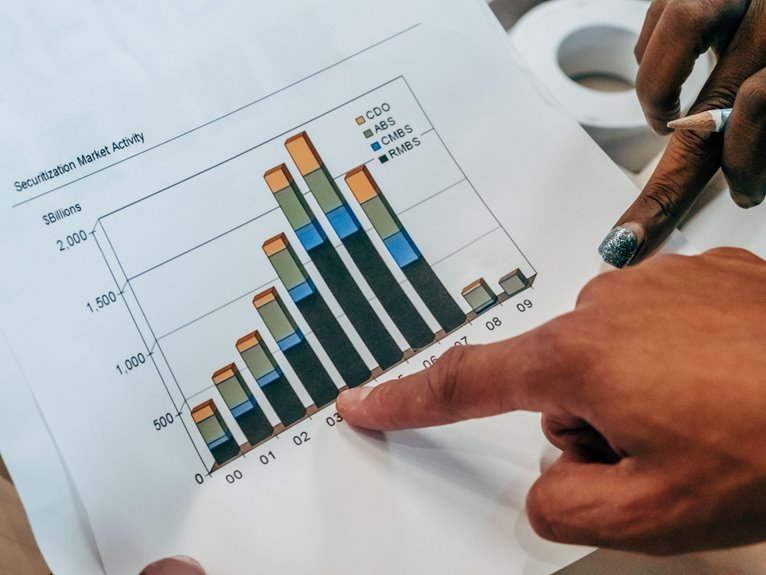
Charts emphasize trend resilience, cross-asset correlations, and downside protection anchors, guiding sector-focused allocations and disciplined risk budgeting for forward-looking portfolios.
Navigating Opportunities: Policy, Markets, and Household Impacts
What policy signals and market dynamics are shaping opportunities for natural gas in households and broader energy systems, and how do these factors translate into actionable implications for portfolios and consumer behavior? Policy shifts steer incentives for electrification, gas retrofit uptake, and utility tariffs, while market reactions reflect price volatility and supply resilience; implications span risk-adjusted returns and informed household choices in a dynamic energy mix.
Frequently Asked Questions
How Do Seasonal Demand Shifts Affect Long-Term Gas Price Forecasts?
Seasonal demand shifts introduce cyclical volatility, but long-term price forecasting remains anchored by fundamentals; seasonal patterns inform scenario analyses and risk premiums, guiding price forecasting with differentiated demand profiles while maintaining a forward-looking, data-driven sector perspective for freedom-loving audiences.
Which Geographic Markets Show the Strongest Volatility Signals Today?
Volatility signals concentrate in select geographic markets, with energy hubs showing amplified moves juxtaposed against steadier regional conduits. The analysis identifies geographic markets exhibiting heightened variance, guiding forward-looking sector players toward risk-aware, freedom-oriented allocation strategies.
What Are the Hidden Costs of Gas Storage on Pricing?
Hidden costs in gas storage distort price signals by eroding basis efficiency; forward-looking analyses show storage fees, withdrawal timing, and capacity constraints elevate risk premiums, reshaping price signals for market participants seeking freedom in hedging and allocation.
How Do Geopolitical Events Influence Domestic Natural Gas Supply?
Geopolitical events constrain domestic supply via price signals and infrastructure safety concerns, while geopolitically induced spillovers reallocate imports; overall, domestic supply resilience hinges on diversified sourcing, storage, and flexible ramping, enabling responsive, data-driven energy markets amid uncertainty.
Can Small Investors Access Effective Hedging Strategies for Gas Risk?
Small investors can access hedging accessibility through standardized instruments and clear risk metrics; effective investor strategies emphasize cost, liquidity, and transparency, with data-driven projections guiding position sizing and risk limits for gas risk in a forward-looking, sector-specific framework.
Conclusion
FintechZoom’s synthesis shows real-time gas pricing as a leading indicator of trend shifts, with volatility anchored by weather, storage cadence, LNG flows, and policy signals. Forward paths point to continued hedging utility, a nuanced correlation with power markets, and selective LNG trade-offs that shape risk-adjusted returns. Practically, portfolios should calibrate scenarios around demand surges and tariff dynamics, preserving downside protection while seeking opportunistic exposures. In short, the market remains a moving target, demanding disciplined, forward-looking discipline. bite-sized clarity.